About Us

We started with a question most people never think to ask.

You wash your face with a cleanser stored in a plastic bottle. You cook with a spatula that sheds invisible particles into your food. You sleep in sheets woven from synthetic fibres that release microscopic fragments with every wash. You reach for hot coffee from a plastic cup without a second thought.

None of these things feel dangerous. That's the problem.

Plastic is everywhere. Including inside us.

Over the past two decades, microplastics β€” fragments smaller than 5mm, often invisible to the naked eye β€” have been found in places scientists once assumed were protected. Human blood. Lung tissue. The placenta. Breast milk. Arterial plaque. Even the brains.

We are not talking about a distant environmental issue. We are talking about what is already inside your body, right now, accumulated from thousands of daily interactions with cheap plastic products over the course of your lifetime. The chemicals that make plastics flexible, durable, and long-lasting β€” particularly phthalates and bisphenols like BPA β€” don't stay in the plastic. They migrate. Into your food. Into your water. Into your skin. Into your bloodstream. These substances are classified as endocrine-disrupting chemicals (EDCs) β€” meaning they interfere with your body's hormone signalling. They have been linked to a variety of health problems, from early heart attacks and strokes to subtle shifts in thyroid hormone that can affect developing brains.

The real problem isn't awareness. It's alternatives.

Most people, when they learn about microplastics and EDCs, want to do something. They go looking for alternatives and hit an immediate wall: natural products are either rare, inconvenient, or expensive enough to feel like a luxury rather than a reasonable choice.

That's the gap we aim to close

We built this store on a single belief: that non-toxic, natural-material alternatives to everyday plastic products should be affordable, beautiful, and easy to find. Not a compromise. Not a sacrifice. Just a better version of what you already own.

Frequently Asked Questions (FAQs)

How to transition into a plastic-free lifestyle

You don't need to throw everything away at once. While it's impossible to fully eliminate plastic exposure, you can meaningfully lessen it. Here's where the science suggests you focus first:

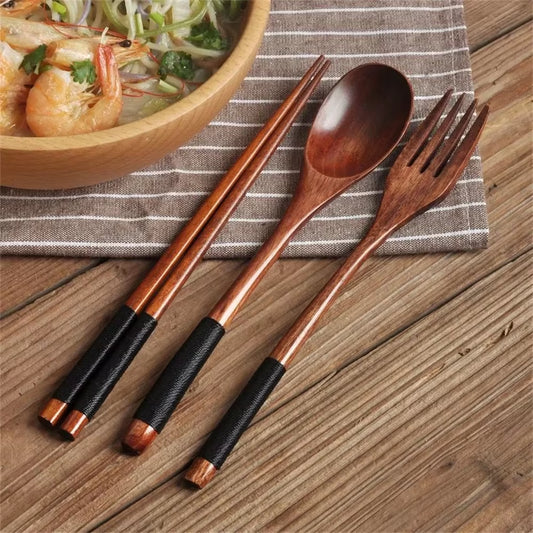
🍳 In your kitchen β€” Replace plastic cooking utensils with bamboo or wood. Never heat food in plastic containers or use plastic wrap on warm food. Avoid non-stick pans with synthetic coatings; use cast iron, stainless steel, or ceramic instead. Don't put plastic containers in dishwashers.

🚰 What you drink from β€” Switch to a stainless steel or glass water bottle. Avoid single-use plastic bottles, especially ones that have been sitting in heat (a car, a delivery van, direct sunlight) β€” warmth accelerates chemical leaching.

🧴 In your bathroom β€” Check your skincare and cleaning products for "fragrance" in the ingredients list. Fragrances β€” in cleaning supplies, detergents, cosmetics, and perfumes β€” contain phthalates, which help retain the scent. Choose fragrance-free where possible, and products stored in glass rather than plastic.

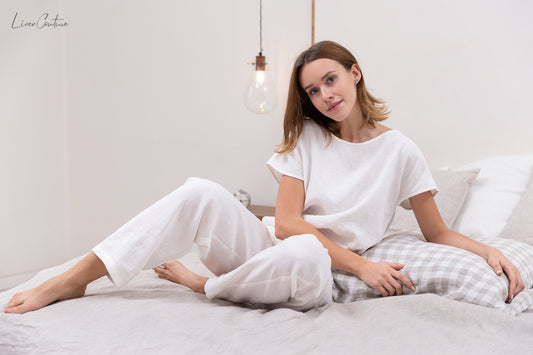
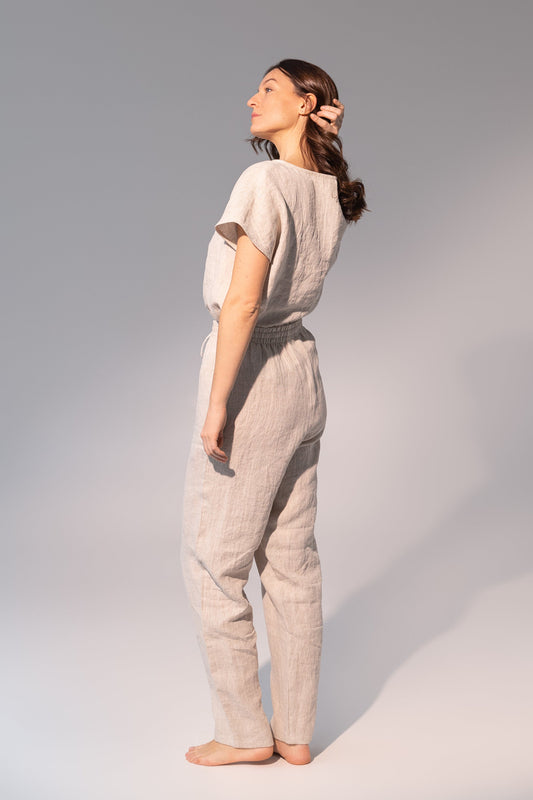
πŸ‘• What you wear and sleep in β€” Minimise synthetic textiles around the home and in your closet. Polyester and nylon shed microplastic fibres into the air and your skin. Linen, wool, and organic cotton don't. Your bedding especially matters β€” you spend a third of your life in it.

🍱 How you store food β€” Move from plastic containers to glass, stainless steel, or beeswax wrap. Don't use plastic bags for warm or fatty foods; fat accelerates the migration of plastic chemicals into food.

We're not asking you to be perfect

Plastic is structural. It's in infrastructure, in medicine, in supply chains that none of us control individually. Asking anyone to eliminate it entirely is both unrealistic and β€” frankly β€” unfair, when the responsibility should be shared across industry and policy.

What we are asking is simpler: replace the plastics you touch most often, first. The spatula you cook with every night. The cup you drink from every morning. The sheets you sleep under every single day. These are high-contact, high-frequency touchpoints β€” and they're exactly where TheGreenHome starts.

The body responds quickly. The couples in The Plastic Detox saw measurable changes in their blood chemistry within weeks of making the same kinds of swaps we stock here. You don't need a 90-day supervised experiment to begin. You need a bamboo spatula and the decision to use it.

🍴 Kitchen FAQ

Q: Are your bamboo and wooden utensils actually food-safe? How do I know there are no hidden chemicals?

Great question, and an important one. Natural bamboo and wood utensils are inherently food-safe β€” the material itself contains no synthetic chemicals, coatings, or plasticisers. However, there's a catch worth knowing: many bamboo utensils on the market are coated with lacquer to achieve a uniform shiny finish and smooth over imperfections. Lacquer is a chemical-based sealant that chips and erodes over time, and can leach into your food. Every product we stock is either uncoated or finished with a certified food-grade natural oil β€” never lacquer. When you receive your utensils, they should have a slightly matte appearance and a natural scent.

Q: Can I put bamboo utensils in the dishwasher?

We recommend against it, and here's why: the combination of high heat, prolonged moisture exposure, and harsh detergents is exactly what causes bamboo to dry out, warp, and eventually crack. Some solid single-piece bamboo utensils can technically survive a dishwasher cycle, but each wash shortens their lifespan noticeably. Hand-washing takes 30 seconds. Wash in warm water with a mild soap, rinse well, then dry with a tea towel and stand upright to air dry completely. Never lay them flat in a pool of water, and never leave them soaking in the sink β€” soaking accelerates cracking more than anything else. Treat them the way you'd treat a good wooden cutting board, and they'll last years.

Q: Will bamboo scratch my non-stick pans?

No. Bamboo is softer than virtually all non-stick coatings β€” including Teflon, ceramic, and enamel β€” so it will not scratch them. This is one of the key practical reasons people switch from metal utensils. It's also safe on cast iron, stainless steel, and copper cookware. The bamboo may pick up minor surface marks from heavy use over time, but it won't damage your pans.

Q: How do I stop my bamboo utensils from cracking or drying out?

Once a month β€” or whenever they start to look slightly dry or lighter in colour β€” rub a small amount of food-grade mineral oil into the surface using a cloth, working in small circular motions. Leave it to absorb for at least 10 minutes (ideally overnight), then wipe off any excess. This replenishes the oils that washing gradually removes and creates a protective barrier against moisture penetration. The cycle of absorbing water and then drying out is what causes bamboo to crack over time, and regular oiling interrupts that cycle.

One important note on which oil to use: stick to food-grade mineral oil, natural beeswax, or specifically formulated bamboo conditioning oils. Do not use cooking oils β€” olive oil, vegetable oil, coconut oil, or walnut oil. These will go rancid inside the bamboo over time, creating an unpleasant smell and harbouring bacteria. Food-grade mineral oil has no taste, no smell, and doesn't spoil.

Q: Are your utensils really antimicrobial, or is that just a marketing gimic?

It's a real property, not marketing language. Bamboo naturally contains a bio-agent called bamboo kun, which provides inherent antimicrobial resistance during the plant's life. The extent to which this property persists in processed bamboo utensils is somewhat reduced from the living plant, but research does support that bamboo surfaces harbour fewer bacteria than plastic equivalents, partly because bamboo's dense, non-porous surface gives bacteria fewer places to lodge. The practical upshot: wash them properly after use and dry them fully, and they're genuinely more hygienic than plastic.

Q: How do I remove stains β€” especially turmeric and beet?

Strongly coloured foods like turmeric, beet, and curry can stain natural bamboo. A few approaches work well. For fresh stains: rinse immediately after use and don't let the food dry on the surface. For set stains: make a paste of baking soda and water, rub it gently onto the stained area with a soft cloth, leave for a few minutes, then rinse thoroughly. For stubborn staining: a diluted solution of one part white vinegar to four parts water applied with a cloth, then rinsed, can lift discolouration without damaging the bamboo. Avoid abrasive scourers β€” they scratch the surface and give future stains more texture to grip.

Q: How long will bamboo utensils last compared to plastic?

With proper care β€” regular hand-washing, thorough drying, and monthly oiling β€” a good quality solid bamboo utensil set will last anywhere from 3 to 10 years. Cheap bamboo utensils made from multiple laminated pieces bonded with adhesive will deteriorate faster, especially if the adhesive isn't waterproof. All the utensils we stock are solid or high-quality laminated construction. By comparison, cheap plastic utensils typically need replacing every 12–18 months due to warping, discolouration, and surface degradation β€” and every time you replace them, the old ones go to landfill where they'll persist for 500+ years. A bamboo utensil at end of life is compostable.

Q: Can I use bamboo utensils directly in a hot pan on the hob?

Yes, but with some common sense. Bamboo handles heat significantly better than plastic and won't melt or deform near a hob. The working end of a spatula or spoon can be in a hot pan without issue. What you want to avoid is prolonged direct contact with a flame, or resting the whole utensil across a very hot pan for an extended time, as this will dry out the bamboo quickly and may cause surface scorching. Standard cooking use β€” stirring, flipping, scooping β€” is completely fine.

Q: My cutting board has developed an odour. What do I do?

A bamboo or wooden cutting board that has retained odour (common after cutting onions, garlic, or fish) responds well to this treatment: cut a lemon in half and rub it across the surface, let it sit for 5 minutes, then rinse. Alternatively, sprinkle coarse salt on the board, rub with half a lemon, then rinse. For a deeper clean or sanitisation, a diluted white vinegar solution wiped on and left briefly before rinsing works well. After any deodorising treatment, dry the board thoroughly and apply a small amount of food-grade mineral oil β€” the treatment removes some of the surface oils and conditioning restores them.

πŸ› Bathroom FAQ

Q: Will bamboo bathroom accessories hold up in a humid bathroom environment?

Yes, provided they're quality bamboo that has been properly treated β€” which all our products are. Bamboo is naturally more moisture-resistant than most woods, and our bathroom accessories are treated with a natural surface finish before sale that adds further protection. The key care practice on your side: let them dry between uses where possible, and avoid leaving puddles of water pooling directly on or under the pieces. The tray that comes with your set is designed to elevate other items slightly and allow air circulation underneath. If you live in an exceptionally humid climate or have a small bathroom with poor ventilation, wiping down the accessories with a dry cloth once a week adds years to their life.

Q: Does the soap dispenser pump actually work reliably? I've had issues with cheap pump mechanisms before.

Pump quality varies significantly between products, and it's one of the things we check when sourcing. The pumps on our dispensers use a spring-loaded mechanism rather than the cheaper friction-fit style that tends to jam or drip. They're tested to several thousand pumping cycles before we stock them. That said, a couple of things affect longevity: very thick soaps and body lotions can cause any pump to slow or clog over time. If you notice the pump becoming harder to press, unscrew the pump head (counter-clockwise on most models), rinse it through with warm water, and replace. If the pump fails entirely within 30 days of receiving it, we replace it β€” no questions.

Q: Will the toothbrush holder fit an electric toothbrush?

Our standard toothbrush holder openings are 35mm in diameter, which accommodates the handles of standard Oral-B and Philips Sonicare electric toothbrushes. If you have an unusually large-bodied handle, check your toothbrush handle diameter against that measurement before ordering. The holder is not designed to hold the charging dock β€” just the handle when you're not charging. Most people find a convenient solution is to charge on the countertop and then store in the holder once charged.

Q: How do I clean the bamboo accessories?

For weekly cleaning, wipe down with a damp cloth and a drop of mild soap if needed, then dry with a cloth. Do not submerge bamboo bathroom accessories in water or leave them sitting in standing water. For the soap dispenser: to clean inside the bottle, remove the pump, fill the bottle with warm water and a small amount of mild soap, shake gently, and pour out. Rinse with clean water and allow to dry completely before refilling. For the toothbrush holder: rinse under warm running water monthly to remove any toothpaste residue, and dry upright. If you notice any early signs of discolouration or the bamboo starting to look dry, apply a very light coat of food-grade mineral oil with a cloth, let it absorb, and wipe off any excess.

Q: Are your bamboo bathroom products actually better for my health than plastic, or is that a stretch?

It's not a stretch, though the mechanism is different from what people often assume. Bamboo itself doesn't leach anything harmful β€” it has no BPA, phthalates, or other endocrine-disrupting chemicals. By contrast, many plastic soap dispensers and bathroom accessories β€” particularly cheaper ones β€” are made from plastics that can leach low levels of chemical additives over time, especially when in contact with liquids (your soap, your hand wash) and in warm, humid environments like bathrooms. Switching to bamboo doesn't eliminate all plastic from your bathroom, but it removes a category of daily-contact objects that currently sit next to your sink, in your steam, around your personal care products, every day. That's a meaningful reduction in chronic low-level exposure, which is exactly what the science on endocrine-disrupting chemicals tells us matters most.

Q: What's the environmental difference between your bamboo accessories and the ones I could buy at a supermarket for a third of the price?

A few things. First, material quality: supermarket bamboo accessories are frequently made from bamboo fiber composite rather than solid bamboo β€” this means bamboo pulp mixed with resins and binding agents, processed under heat and pressure. It looks similar but behaves differently over time and may contain adhesives you wouldn't want near your toothbrush. Second, surface treatment: cheaper products are often lacquered for uniform appearance, which chips over time. Ours are finished with natural oils only. Third, sourcing: we source from suppliers who document their material chain. Cheap bamboo home goods frequently have no verifiable sourcing, which matters when bamboo production quality varies significantly by region and processing method. The price difference reflects real material and process differences, not just a brand premium.

Q: How long will bamboo bathroom accessories last?

With normal use and basic care (wiping dry, not submerging in water), you can reasonably expect 3–5 years from a quality bamboo bathroom set. The pump mechanism typically needs replacing before the bamboo body does β€” spare pump heads are available from us. By comparison, the average plastic bathroom accessory set lasts 18–24 months before discolouring, warping, or breaking. A bamboo set costs slightly more upfront but costs less per year of use, and at end of life can be composted rather than sent to landfill.

πŸŽ‹Material Care Guide: Bamboo


Everything we sell at TheGreenHome is made from materials that have served humans well for thousands of years. None of them require specialist care β€” but all of them respond well to being treated with a little knowledge rather than convenience habits inherited from the synthetic age.


Bamboo β€” kitchen utensils, bathroom accessories, cutting boards

  • The golden rule: water in, water out, quickly.

Bamboo's relationship with water is the key to understanding its care. It can handle water perfectly well β€” it grows in it. What damages bamboo is prolonged saturation followed by rapid drying, which causes the fibres to expand and contract in ways that eventually crack the surface. Keep washing brief, drying thorough, and you'll have no problems.

  • After cooking or use:

Wash by hand in warm water with mild soap. A soft sponge or cloth only β€” no steel wool or abrasive scourers. Rinse well and dry immediately with a tea towel.

  • Drying:

Stand upright in a utensil holder or lay on a dry surface with good airflow. Never lay flat in a damp area or leave in a dish rack submerged in drainage water.

  • Dishwasher:

AVOID. High heat and prolonged moisture accelerates drying out and cracking. If it happens occasionally it won't be catastrophic, but consistent dishwasher use significantly shortens lifespan.
  • Soaking:

NEVER. Soaking is the single most damaging thing you can do to bamboo. Even 20 minutes of soaking is more damaging than months of normal use.

  • Monthly oiling:

Apply food-grade mineral oil with a cloth, rub in with circular motions, leave 10 minutes minimum (overnight is better), wipe off excess. Do this whenever the bamboo looks dry or lighter in colour.

  • Oil to use:

Food-grade mineral oil, natural beeswax, or bamboo-specific conditioning oil. Never cooking oils (olive, coconut, vegetable) β€” they go rancid.

  • Stubborn stains:

Baking soda paste + soft cloth. Or diluted white vinegar solution. Rinse well and re-oil afterward.

  • Odours (cutting boards):

Rub with half a lemon and coarse salt. Rinse, dry, oil.

  • Splinters or rough spots:

Sand lightly with fine-grit sandpaper (220 grit), then oil immediately.

  • Storage

Cool, dry place with airflow. Away from direct heat sources (next to the oven or hob) and not in a damp cupboard under the sink.

Signs your bamboo needs attention: appears lighter or grey-ish in colour (needs oil), feels rough to the touch (needs oiling, possibly light sanding), visible surface cracks developing (needs immediate deep oiling and to be kept away from prolonged water contact).

Signs it's time to replace: deep cracks that have opened fully, splintering that can't be resolved by sanding, persistent odour that doesn't respond to lemon/vinegar treatment. Natural bamboo is compostable at end of life β€” it can go in your food waste or compost bin.

🌾 Material Care Guide: Linen

Linen β€” bedding, kitchen textiles, clothing, curtains

The good news first: linen is one of the most resilient natural fabrics in existence. It actually gets better with use and washing β€” softer, more supple, more comfortable. The main thing to get right is temperature and drying.

On washing:

Machine washing is fine. Use a gentle or delicate cycle. The temperature that matters most is this: wash at 30Β°C for lightly soiled items, and up to 40Β°C for more soiled ones. Do not use temperatures above 40Β°C routinely β€” repeated hot washing weakens the fibres over time and causes colour fading. Many linen garments we stock are pre-washed during production, which has already taken out most of the initial shrinkage β€” but for any new linen item, the first wash is the one that can cause the most dimensional change if handled carelessly.

Turn coloured linen items inside out before washing to preserve the dye. Wash whites separately. Do not use bleach β€” it weakens linen fibres and will turn white linen yellow over time. Standard mild laundry detergent works well. Avoid fabric softener: it coats the fibres and, counterintuitively, can make linen feel less soft and reduce its natural breathability over time. Linen softens naturally with washing and wearing without any chemical help.

On drying:

Air drying is best. Shake the item gently after washing to help the fibres relax and reduce wrinkles, then hang or lay flat in a shaded spot with good airflow. Keep coloured linen out of direct strong sunlight while damp β€” prolonged UV exposure when wet can cause fading. White and natural linen can be line-dried in sunlight, which also has a gentle natural brightening effect.

If you use a tumble dryer: use the lowest heat setting, and remove the item while it's still slightly damp. Overdrying in high heat is what causes linen to feel stiff and brittle, and will cause shrinkage. The slight damp stage is also ideal for ironing.

On ironing:

Linen wrinkles β€” and that relaxed, slightly rumpled look is part of its character and its appeal. Many people come to love it. If you prefer a crisper finish, iron while the fabric is still slightly damp from washing, using a medium to hot iron setting. Damp ironing produces significantly better results than trying to iron fully dry linen. If the item has already dried, mist lightly with a spray bottle of water and let it sit for a few minutes before ironing. Iron on the reverse side to protect the surface finish, or use a damp pressing cloth on the front.

On storage:

Store linen items folded in a cool, dry drawer or on a shelf with airflow. Never store in plastic bags or airtight containers β€” linen needs to breathe. For garments, wide wooden or padded hangers maintain shape better than wire hangers. If storing long-term (seasonal bedding), use breathable cotton or linen storage bags, not plastic.

Common questions:

My new linen sheets feel stiff

Completely normal for unwashed linen. Wash once and the stiffness releases significantly. Wash a few more times and it becomes noticeably soft. Linen softens with every wash and every use β€” this is one of its defining qualities.

Will my linen shrink?

Most of our linen products are pre-washed. Some minor shrinkage (1-3%) is possible in the first wash, especially if you wash warmer than recommended. After that, properly cared-for linen is dimensionally stable.

Can I accidentally over-shrink it?

Hot washing combined with tumble drying on high heat is the combination to avoid. If you wash at 30-40Β°C and air dry or tumble on low-heat, shrinkage will be negligible.

My linen has shrunk β€” can I rescue it?

While still damp after washing, gently stretch the item in all directions by hand and lay flat. Ironing while damp with gentle stretching at seams can help recover some dimension. However, prevention is easier than reversal.

How often should I wash linen clothing?

Every 3–4 wears for most garments, or when visibly soiled. Linen benefits from airing between washes β€” hang in a ventilated space rather than folding back into a drawer after a single wear.

πŸ‘ Material Care Guide: Wool

Wool β€” knitwear, sleepwear, bedroom textiles

Understanding wool before you wash it. Wool is a protein fibre covered in microscopic overlapping scales β€” like tiny roof tiles running along each strand. In normal conditions these scales lie flat. But expose wool to heat, moisture, and agitation simultaneously, and those scales lift, interlock with adjacent fibres, and permanently mat together. This is called felting, and it's irreversible. A beautiful merino sweater can become a child's cardigan in a single wash if you get the temperature or agitation wrong. Fortunately, once you understand what felting is and what causes it, avoiding it is entirely straightforward.

The three enemies of wool: Heat. Agitation. Temperature shock.

Control these three things and wool is easy to care for.

On washing:

Always check the care label first. "Hand wash only" means exactly that. "Dry clean only" means dry clean β€” don't gamble. Many modern merino and wool blend garments are machine-washable on a dedicated wool cycle, which uses cold water and minimal agitation β€” but always verify this on the label before assuming.

By hand (preferred for most wool garments):


Fill a basin with cold to lukewarm water β€” no warmer than 30Β°C (86Β°F). Add a small amount of wool-specific detergent. Crucially: use an enzyme-free, pH-neutral detergent. Enzymes in standard laundry detergents attack the protein structure of wool fibres and cause irreversible damage to softness and texture. Woolite, Eucalan, and Soak are widely available options. Turn the garment inside out, submerge it, and gently press the water through the fabric with your hands for a few minutes. Do not rub, scrub, twist, or wring β€” any of these can initiate felting. Rinse with water at the same temperature as the wash water. Temperature shock β€” switching from warm wash water to cold rinse water β€” can cause sudden fibre contraction and is a significant cause of felting.

By machine (only if the label confirms it is safe):


Use the dedicated wool or delicate cycle only. Cold water only. Place the garment in a mesh laundry bag to reduce friction. Use the lowest spin speed available β€” high spin speed generates significant mechanical force on the fibres and is a common cause of unexpected shrinkage even when temperature is correctly controlled.

On drying β€” the most important stage:

Never tumble dry wool. The combination of heat and tumbling action is the most reliable way to felt a garment. Even low-heat tumble drying causes damage over time.

After washing, do not wring or twist to remove water. Instead: lay the garment flat on a clean dry towel, roll the towel and garment together, and press firmly along the roll to absorb excess water. Unroll, then lay the garment flat on a fresh dry surface (a drying rack covered with a towel works well) and gently reshape it to its original dimensions while still damp β€” paying attention to necklines, sleeves, and side seams. Let it air dry away from direct sunlight and away from radiators or heat sources. Drying flat maintains shape; hanging wet wool puts all the weight on a single fold line and will cause the garment to distort and stretch.

On frequency:

One of wool's great practical advantages β€” often overlooked β€” is that it doesn't need frequent washing. Wool fibres naturally resist odour and repel light dirt. If you've worn a sweater for an evening without sweating heavily, you don't need to wash it. Hang it in a well-ventilated spot for a few hours to air, then fold and store. Washing less frequently extends the life of wool garments significantly and is genuinely better for the fabric.

On storage:

Store wool items folded, not hanging β€” wet or dry. Hanging wool causes it to stretch under its own weight over time. Store in a cool, dry place. The main threat to stored wool is moths, which are specifically attracted to natural protein fibres. Natural moth deterrents that actually work: cedar wood blocks, lavender sachets, or dried rosemary and thyme. Replace these every season as their scent fades. Check stored wool items once or twice during long storage and air them briefly to discourage any insect activity.

Common questions:

I accidentally put my wool jumper in a hot wash. Can I fix it?

Sometimes partially. Soak the shrunken garment in lukewarm water with a small amount of hair conditioner or baby shampoo for 20–30 minutes. This can relax the fibres enough to allow gentle stretching back toward the original shape. It won't perfectly restore it, but it often helps meaningfully. Lay flat and gently stretch while still wet. Reshape and dry flat.

Can I put merino wool in the machine?

Many merino products are machine-washable if the label confirms it β€” merino fibres are finer and often treated to resist felting. Use a wool cycle, cold water, mesh laundry bag, lowest spin speed. Even machine-washable merino lasts longer with hand-washing.

Why does my wool smell musty after storage?

Usually means it was stored slightly damp, or in an environment with poor airflow. Air it thoroughly before wearing β€” hang it outdoors in a shaded spot for a few hours, or use a garment steamer to refresh it. If the smell persists, hand-wash gently and dry completely before storing again.

My wool has started pilling. Is that a defect?

Pilling (small fibre balls on the surface) is a normal characteristic of wool, especially in areas of friction like underarms and cuffs. It's not a quality defect β€” it happens to expensive and cheap wool alike. Remove pills with a dedicated fabric shaver or a fine-toothed comb, working gently across the surface.

Can I iron wool?

Use a steam iron on a wool setting, always with a damp pressing cloth between the iron and the fabric. Never iron wool directly β€” the direct heat will flatten and damage the fibres. Steam is what does the work; the cloth protects the surface.

How do I know if a detergent is safe for wool?

Look for: pH-neutral, enzyme-free, specifically labelled for wool or delicates. Avoid anything labelled "biological" or "with stain enzymes" β€” biological detergents contain proteases (protein-digesting enzymes) that attack wool and cashmere fibres.

Want to sell your product with us? (European vendors only)